
Three floors of work
Built like a triple-decker.
Our flyer puts it plainly: residential, commercial, industrial. We stack the work the way Providence stacks its houses, one floor on top of the next, the same standard on every level.
Every serviceIndustrial
Conduit runs, panels and new-construction rough-in on job sites where the work has to be right the first time.
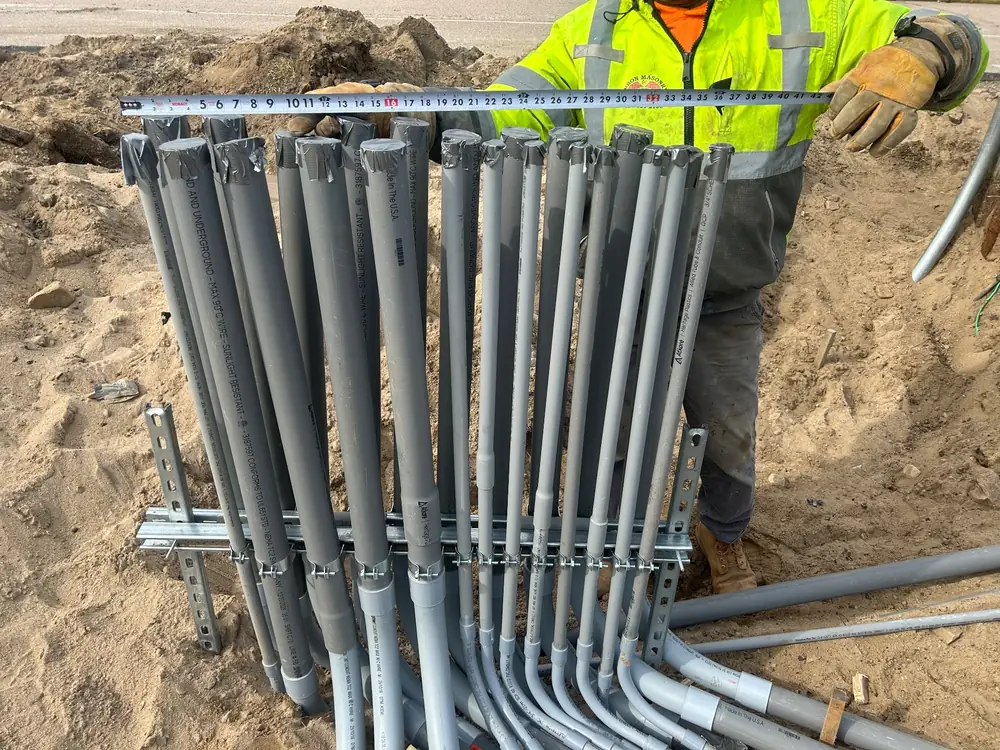
Commercial
Storefronts, offices and fit-outs: lighting, conduit and power that hold up to daily business.
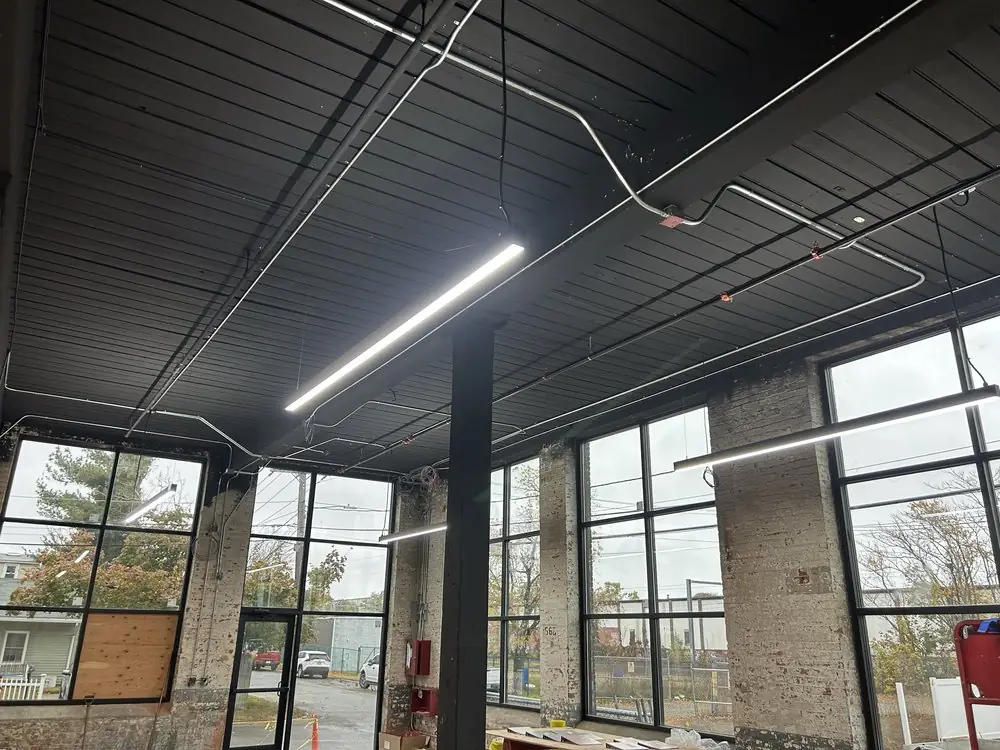
Residential
Single-families, two-families and triple-deckers: the panels, wiring, lights and outlets Rhode Island homes run on.
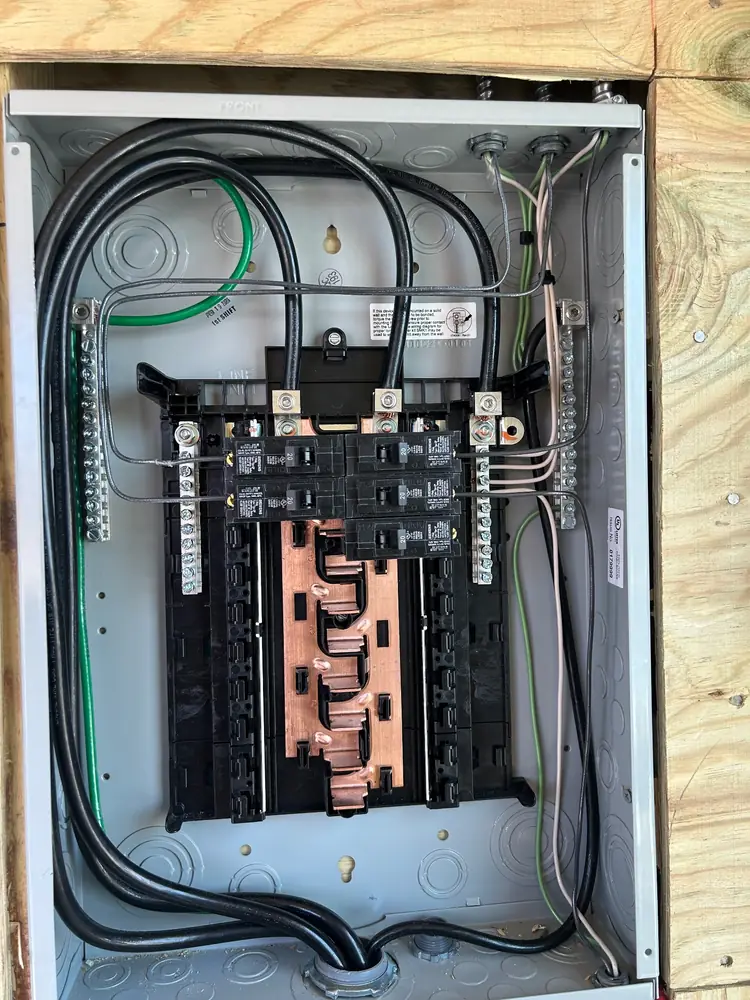
What makes us different
Done right the first time.
What makes YF Electric unique is our work ethic and pride in every job. We don’t just “get it done” — we make sure it’s clean, safe, and built to last. We focus on honest pricing, fast communication, and treating every property like it’s our own. Our goal is simple: quality work, done right the first time.
YF Electric, in its own words
- 1
Clean, safe, built to last
We don’t just get it done. Every job is left clean, safe and built to last.
- 2
Honest pricing
A straight price for the work, explained before it starts.
- 3
Fast communication
You hear back quickly, and you know what’s happening on your job.
- 4
Your property, treated like ours
Every home, storefront and job site gets the same care we’d want for our own.
From the job file
Our own work, our own photos.
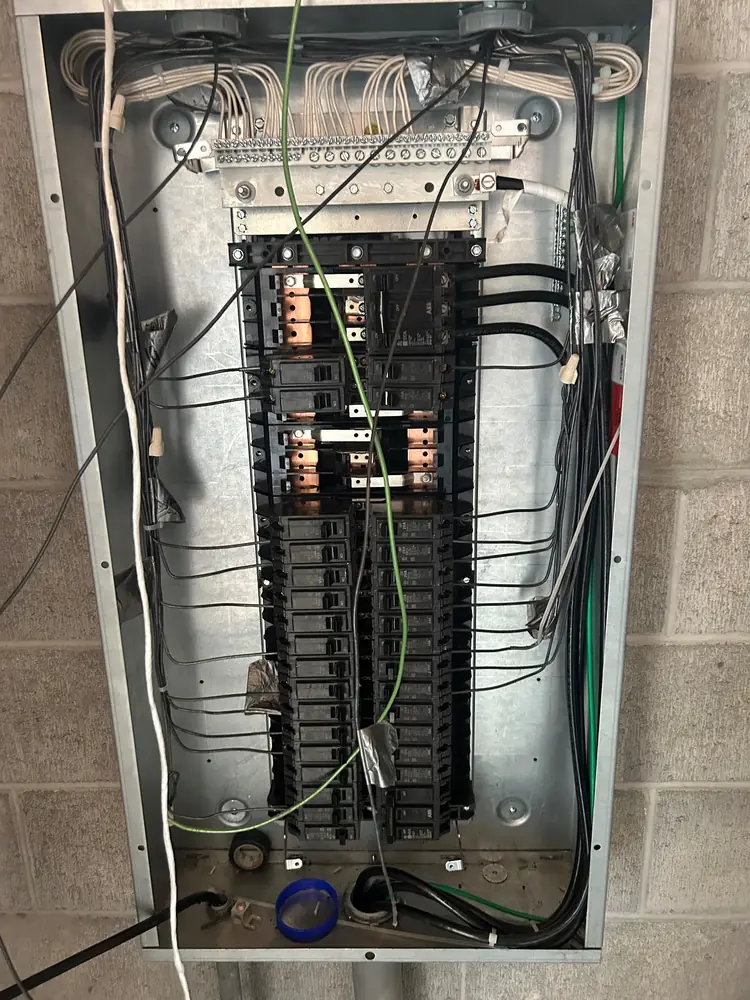
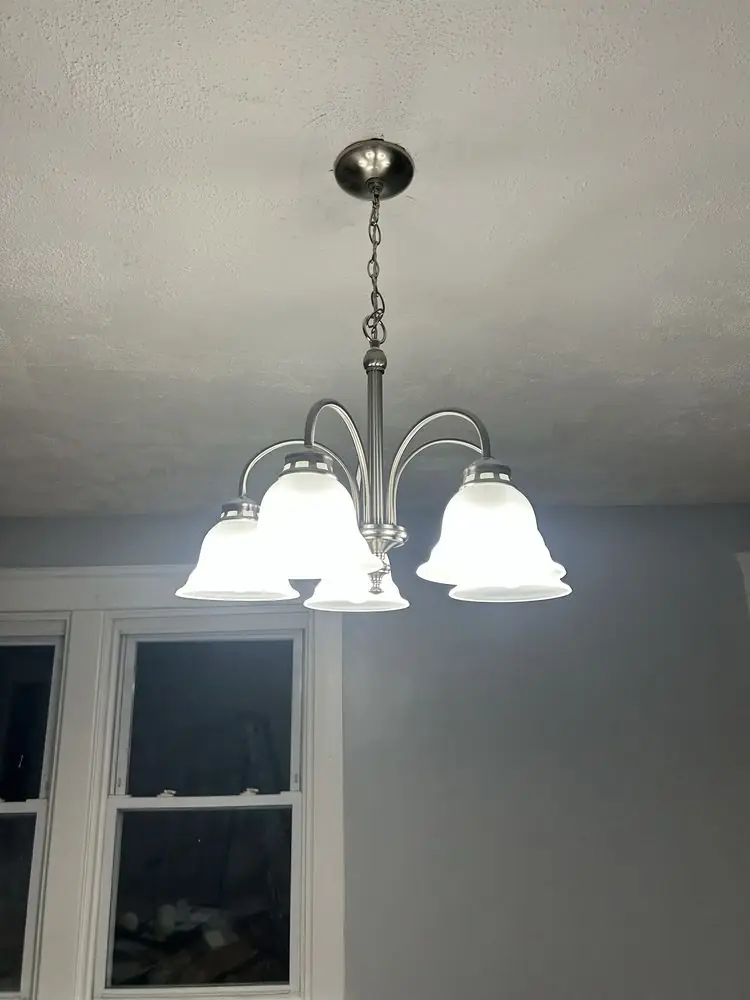
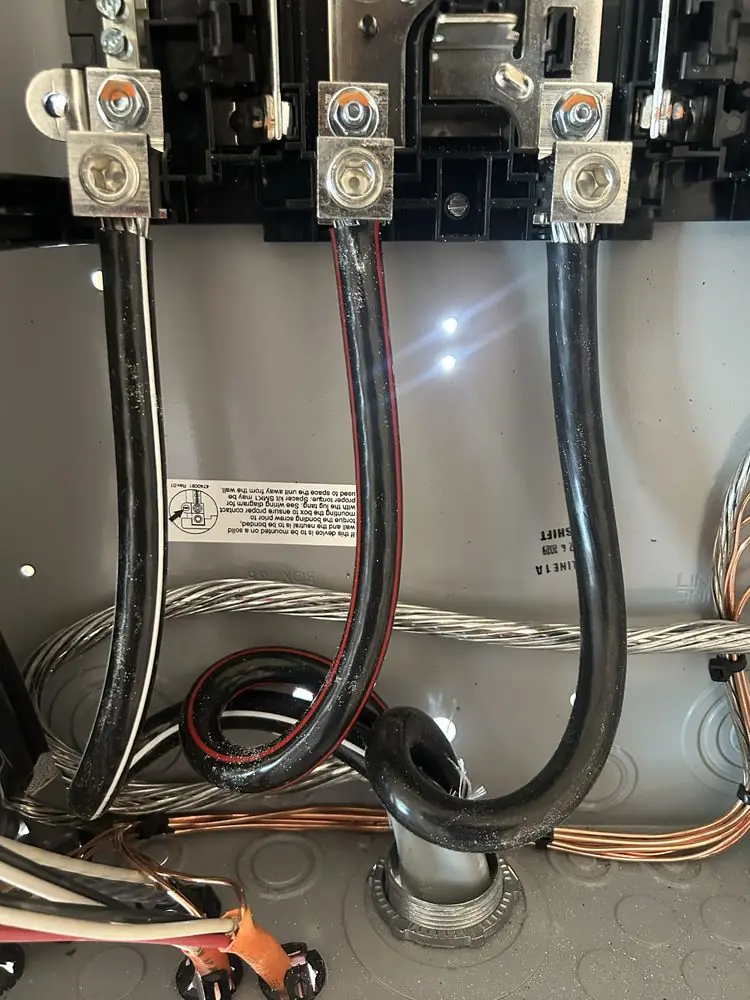
5.0 stars on LocateFaith
What customers say.
Word for word, including the two reviews written in Spanish.
“I had a great experience with this YF Electric! They were professional, reliable, knowledgeable, and did an excellent job. They arrived on time, explained everything clearly, and made sure the work was completed properly and safely. The quality of the work was outstanding, and they left everything clean and tidy when they were finished. I would definitely recommend them to anyone looking for a trustworthy and skilled electrician. Great job!”
“Muy buena experiencia por qué me ha hecho la electricidad de la casa con delicadeza y profesionalismo”
English translation: A very good experience, because they did the electrical work in the house with care and professionalism.
“Muy profesional me encanta”
English translation: Very professional, I love it.
Local knowledge
Wired for Providence housing.
YF Electric is based in Providence and serves Rhode Island. Most of our work is in Providence and the cities and towns that ring it: North Providence, Johnston, Cranston, Pawtucket and East Providence.
The houses
Triple-deckers and two-families from the late 1800s and early 1900s, each with a meter and panel per apartment. Fuse boxes, knob-and-tube, cloth-covered cable and two-prong outlets still turn up in a lot of them.
The power
Rhode Island Energy, formerly National Grid, owns the lines and meters across Providence and its neighbors, and is scheduled whenever a meter has to come out for a service upgrade.
The paperwork
Electrical permits come from each city or town’s building official. In Providence that’s the Department of Inspection and Standards. Electricians are licensed by the RI Department of Labor and Training.
The weather
Nor’easters, ice and tropical storms off the Atlantic bring outages and surges. A properly connected generator and a panel in good shape make them easier to ride out.
Electrician pages by town
Full service areaHow it works
Four steps, start to finish.
Call or send the details
Call (401) 753-1030 or use the request form. Tell us what’s going on and where the property is.
We look and explain
We look at the job, explain what we find in plain words and give you an honest price.
Clean, safe work
The work is done to code, safely, and the space is left clean.
Done right the first time
We test everything before we go, so it works when we leave and keeps working.
Straight answers
Electrical questions.
What should I do if I smell burning from an outlet or the panel?
If you can do it safely, turn off the breaker for that circuit, or the main breaker, and call an electrician right away. If you see smoke or flames, get everyone out and call 911.
Don’t keep using the outlet or reset a breaker that tripped along with the smell. A burning or fishy odor usually means something is overheating: a loose connection, a failing device or an overloaded circuit.
Is knob-and-tube wiring dangerous?
Knob-and-tube isn’t automatically dangerous, but it’s 80 to 100 years old, it has no ground, its insulation gets brittle, and it was never meant to be covered by insulation or carry modern loads. Most houses that still have it should plan to replace it.
It’s common in Providence-area homes built before about 1930, including many triple-deckers. Insurers often ask about it. An electrician can find which runs are still live and replace them, often a section at a time.
Do I need a 100-amp or 200-amp service?
It depends on your loads, not the size of the house. A home with gas heat and modest appliances can live on 100 amps; adding central air, an electric range, a heat pump or an EV charger often calls for 200.
An electrician can do a load calculation based on what you have and what you plan to add, then tell you whether an upgrade is needed.
Can I plug my portable generator into a wall outlet?
No. Backfeeding a generator through an outlet with a double-ended cord can send power back onto the utility lines, where it can kill a line worker. It can also start a fire in your house.
Use extension cords to plug appliances directly into the generator, or have an electrician install a transfer switch or a listed interlock with an inlet so the generator can safely power selected circuits.
Where do I need GFCI outlets?
GFCI protection is required in places near water or the ground: bathrooms, kitchen countertops, laundry areas, garages, unfinished basements, crawl spaces and outdoors, among others.
Older homes often lack them. Adding GFCI protection is one of the simplest, most effective safety upgrades you can make.
How do I verify an electrician’s license in Rhode Island?
Rhode Island licenses electricians and electrical contractors through the Department of Labor and Training (DLT), Division of Professional Regulation. You can look up a license by name or number on DLT’s online license search.
Ask for the license number before work starts and check it. Ask about insurance too.